Ageless Wisdom Magazine / Journal
Understanding the Complex World of Fake Money and the Market for Real Counterfeit Money for Sale
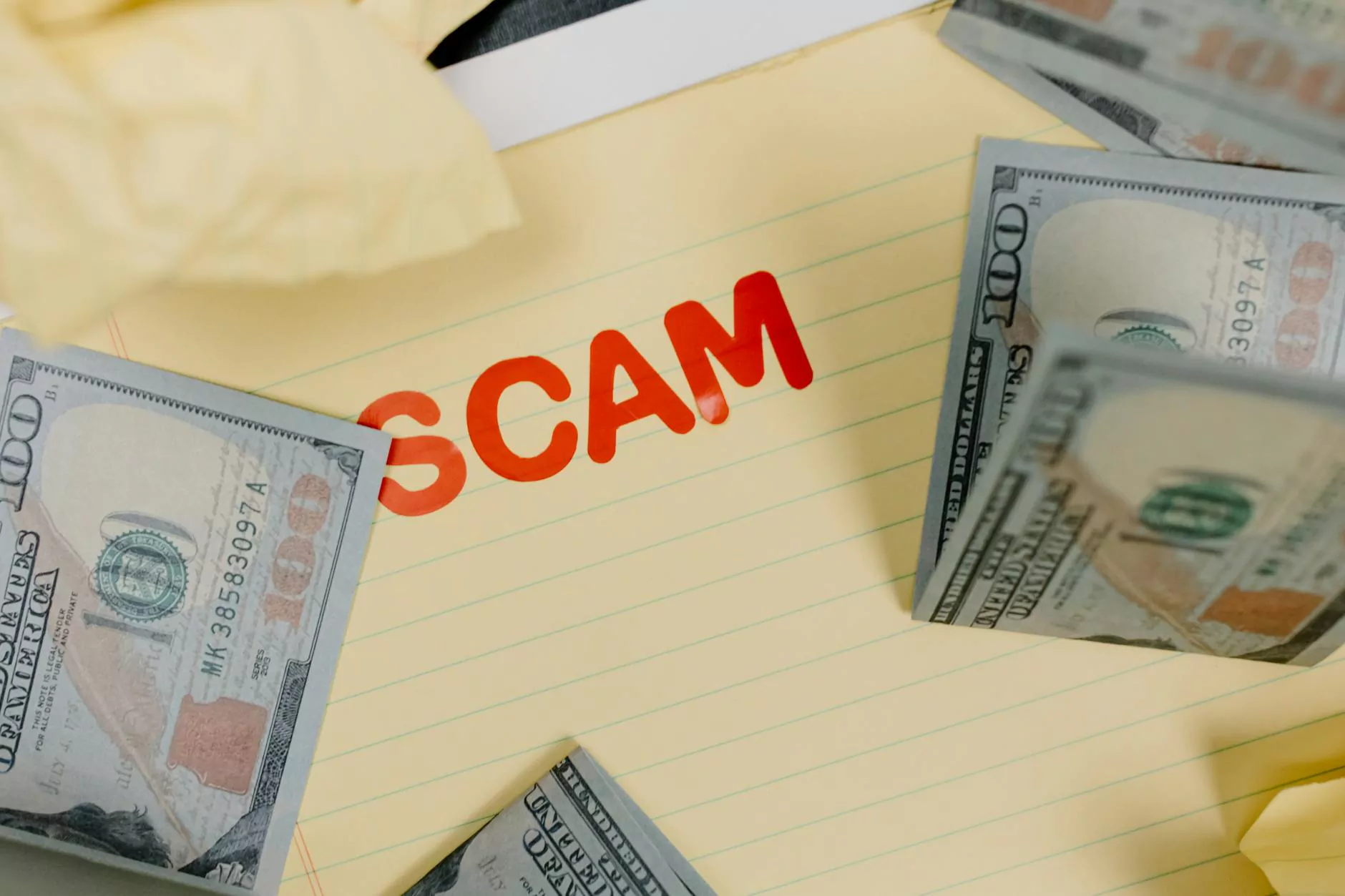
In an era where financial security and currency authenticity are paramount, the presence of fake money has become a significant concern for governments, businesses, and individuals worldwide. As technological advancements enhance the quality of counterfeit currency, the landscape of fake money has evolved into a sophisticated industry. Within this context, the market for real counterfeit money for sale has emerged, creating both opportunities and risks for various stakeholders. This detailed guide delves into the intricacies of counterfeit currency production, distribution, legal implications, and the competitive landscape surrounding fake money.
What Is Fake Money and Why Does It Matter?
Fake money, also known as counterfeit currency, refers to bills or coins that are produced illicitly to imitate official legal tender. The significance of counterfeit currency stems from its potential to undermine economic stability, facilitate illegal transactions, and distort financial systems. As counterfeiters improve their techniques, the challenge for authorities and financial institutions intensifies in detecting and preventing fake money circulation.
The Market for Fake Currency: An Overview
The market for fake money is a complex and often clandestine industry characterized by its clandestine operations, diverse technologies, and varying levels of professionalism. While law enforcement agencies aim to crack down on counterfeiters, a parallel gray market flourishes, driven by demand from various illicit and legal sectors.
- Types of counterfeit currency: from low-quality reproductions to near-perfect imitations.
- Market participants: including counterfeiters, middlemen, underground dealers, and, controversially, some collectors.
- Distribution channels: underground networks, online marketplaces, and cash transactions.
Legal and Ethical Considerations Surrounding Fake Money
Producing, selling, or even possessing fake money without proper authorization is illegal in most jurisdictions. Engaging in such activities can lead to severe penalties, including imprisonment and hefty fines. Ethically, the circulation of counterfeit currency damages trust within economies, affects honest businesses, and can lead to a cascade of financial crimes.
It is crucial to recognize that attempting to acquire or use real counterfeit money for sale is not only illegal but also unethical. Consumers and businesses alike should be vigilant in authenticating currency to protect themselves from fraudulent money.
The Art and Science of Producing High-Quality Fake Money
Advanced counterfeiters utilize an array of techniques to create currency that closely mimics authentic bills. The process involves a combination of artistic skill, technological innovation, and access to high-quality materials. Key elements in manufacturing convincing fake money include:
- High-resolution printing using specialized printers that replicate the intricate details of genuine currency.
- Use of authentic-looking paper that simulates the feel and durability of real banknotes.
- Security feature imitation including watermarks, security threads, holograms, and microprinting.
- Color accuracy and design fidelity to replicate the original artwork and symbols.
The culmination of these techniques results in counterfeit bills that can sometimes deceive even trained currency inspectors, especially when purchased from reputable sources within the underground market.
How to Identify Fake Money and Protect Yourself
Awareness and knowledge are key to safeguarding against counterfeit currency. Here are some essential tips to identify fake money:
- Feel the texture: Genuine bills have a unique texture due to the special paper and printing techniques.
- Examine the security features: Watermarks, security threads, holograms, and microprinting often reveal counterfeit bills when inspected closely.
- Check for color-shifting ink: Many authentic bills contain color-changing inks that are difficult to replicate.
- Inspect the printing quality: Blurry borders or inconsistent printing can indicate a fake.
- Use counterfeit detection tools: ultraviolet light detectors, magnifying glasses, and counterfeit pen swabs can help verify authenticity.
Always stay vigilant when handling cash, especially large bills or suspicious notes. Employers, retailers, and financial institutions should regularly train staff on the latest security features and counterfeit detection techniques.
The Controversial Topic: Market for Real Counterfeit Money for Sale
Despite its illegality, the market for real counterfeit money for sale persists due to various economic and social factors. Some participants seek high-quality reproductions for illegal purposes, while others might be involved in gray-market activities, including art, collectors' items, or simulation for research and training. Understanding this market requires examining the motivations, methods, and risks involved.
Who Sells and Buys Fake Currency?
Buyers typically include:
- Criminal enterprises seeking to launder money or facilitate illegal transactions.
- Private collectors who pursue high-quality replicas for historical or artistic purposes (note: valid legal boundaries apply).
- Individuals involved in scams and frauds aiming to pass counterfeit bills unnoticed.
Sellers often operate through:
- Dark web marketplaces offering discreet transactions.
- Underground forums and encrypted communication channels.
- Offline networks in black markets or via direct contact meant to evade law enforcement detection.
- Investing in secure currency features provided by governments.
- Implementing advanced counterfeit detection technologies in banks and financial institutions.
- Public awareness campaigns to educate people about counterfeit detection.
- Providing secure products and services that prevent counterfeiting.
- Supporting law enforcement efforts to combat illicit currency operations.
- Promoting transparency and ethical standards within the industry.
Legal Risks and Penalties for Engaging in the Market for Real Counterfeit Money for Sale
Engaging in the production, distribution, or sale of counterfeit currency is highly criminalized. Penalties can include lengthy prison sentences, heavy fines, and asset forfeiture. The severity of the penalties depends on the jurisdiction, the scale of the operation, and whether the activity involves other crimes such as money laundering, fraud, or organized crime.
Law enforcement agencies worldwide invest significant resources in combatting counterfeit currency markets, employing sophisticated surveillance, forensic analysis, and international cooperation to dismantle these illicit networks.
Why Authenticity and Security Features Matter More Than Ever
With advancements in printing technology, counterfeit bills have become increasingly convincing. This reality accentuates the importance of:
Ultimately, the fight against fake money hinges on technological innovation, strong legal frameworks, and proactive public education.
The Importance of Responsible Business Practices and Ethical Considerations
While exploring the world of fake money and real counterfeit money for sale can be intellectually intriguing, it is vital to emphasize ethical conduct and responsible behavior. Engaging in illegal activities related to counterfeit currency can have dire consequences for individuals and society as a whole. Instead, legitimate businesses should focus on:
For companies involved in currency production, printing, and security features, adopting best practices ensures consumer trust and compliance with legal obligations.
Conclusion: Navigating the Realities of Fake Money and the Market for Counterfeit Currency
The landscape of fake money is intricate, continuously evolving, and fraught with legal and ethical challenges. The market for real counterfeit money for sale embodies these complexities, highlighting the importance of technological innovation, vigilance, and legal enforcement. Understanding how counterfeit currency is produced, identified, and thwarted is essential for anyone involved in financial transactions, law enforcement, or currency security.
As the saying goes, awareness is the first line of defense. Whether you're a business owner, a financial professional, or a curious observer, staying informed about counterfeit detection and legal boundaries can help prevent financial loss and foster a safer economic environment.
Protect yourself and your assets by adhering to the highest standards of security and ethical conduct. Recognize that the fight against counterfeiting is ongoing, requiring persistent efforts, advanced technology, and unwavering integrity.